A guide to summer and winter activities in Chamonix-Mont-Blanc.
Summer Activities in Chamonix
Trail Running in Chamonix Valley
Hiking & Trekking
The Chamonix Valley has walking routes ranging from easy paths through the villages and valley floor to demanding mountain trails and multi-day routes such as the world-famous Tour du Mont Blanc (TMB). Higher routes can involve exposed sections, snow, rock and glacier travel, requiring appropriate equipment and experience.
Before setting out, check the current weather, trail and lift conditions and make sure you have suitable equipment for the route. The Office de Haute Montagne and local tourist offices provide information on mountain conditions and routes.
Trail Times & Terrain: Marked walking times are useful planning guides, but mountain terrain can be considerably more demanding than the distance suggests.
Peak Season Crowds: July and August are the busiest months for hiking. Popular refuges and routes can become busy during the summer season, so accommodation should be arranged in advance.
Lift Operations: Always check cable car and lift schedules before setting out, as weather and operating conditions can affect mountain transport. See our guide to getting around Chamonix for transport information.
Trail Running
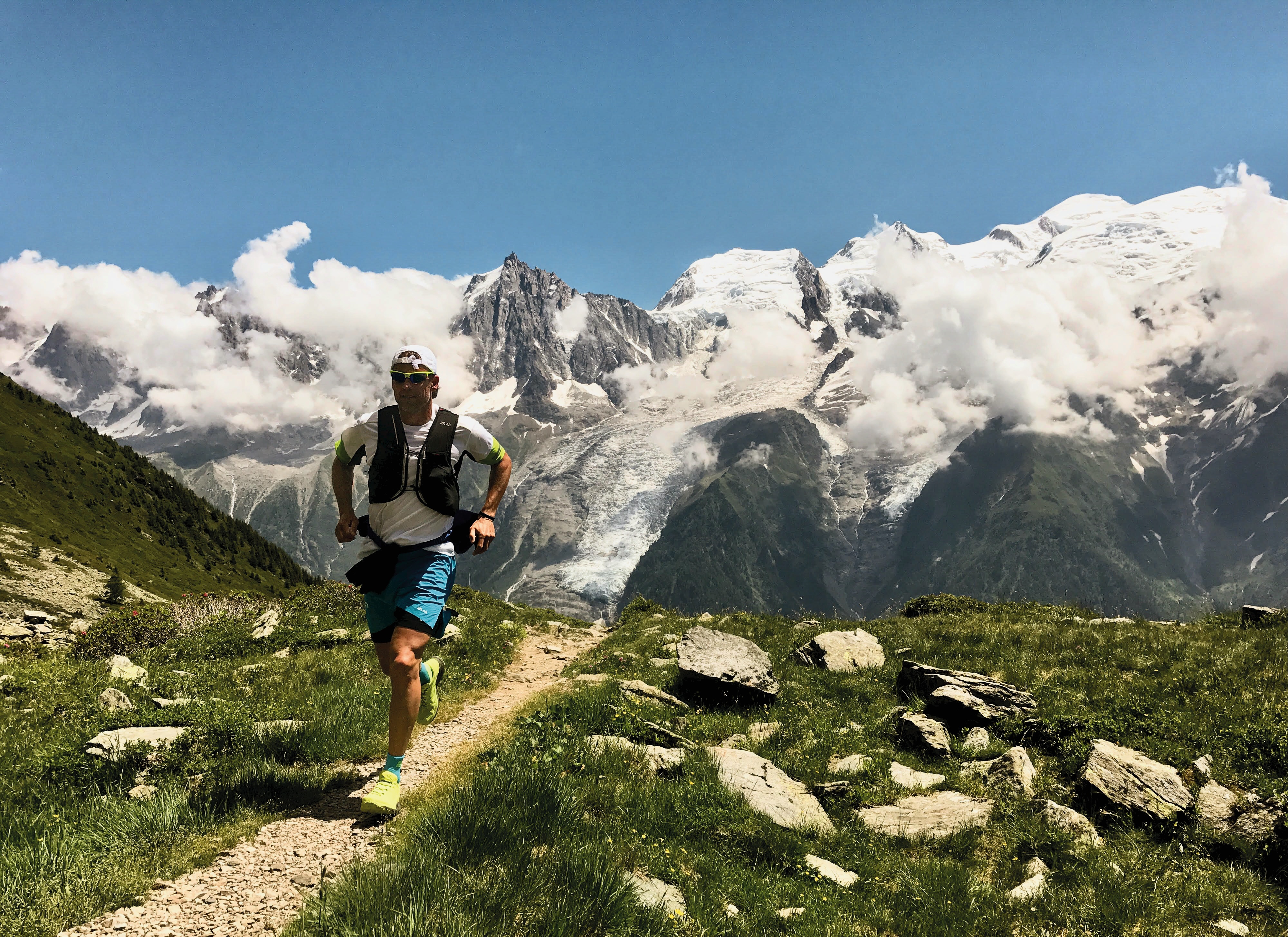
Chamonix is one of Europe's best-known trail-running destinations and the host town for the Ultra-Trail du Mont-Blanc (UTMB). The valley has everything from relatively gentle running routes along the valley floor to steep and technical mountain trails.
The terrain changes rapidly with altitude. A route that begins as a straightforward valley run can become a demanding mountain outing, particularly on the higher trails around the Aiguilles Rouges and Mont Blanc massif.
Mountain Biking
Mountain biking in Chamonix covers a mixture of valley routes, marked mountain-bike trails, downhill tracks and higher alpine itineraries.
July & August Restrictions: During July and August, mountain biking in the Chamonix-Mont-Blanc commune is restricted to officially waymarked mountain-bike routes under a municipal order. Check current local regulations before riding.
Lift Access: Outside the summer restrictions, additional riding options are available, subject to local regulations, trail conditions and individual lift operations. Check current lift rules before planning a day in the mountains.
Popular Routes: The Petit Balcon Nord and Petit Balcon Sud provide lower-altitude routes, while dedicated downhill and enduro trails offer more technical riding. The main riding areas include Les Houches, Chamonix, Balme and Vallorcine.
Climbing & Mountaineering
Chamonix has been at the centre of European mountaineering since the first ascent of Mont Blanc in 1786. The surrounding Mont Blanc massif provides a concentration of granite climbing, alpine rock routes, snow and ice routes and high-altitude mountaineering.
The Aiguilles around Chamonix contain some of the valley's best-known climbing and mountaineering routes, while lower-altitude crags such as Les Gaillands provide more accessible climbing.
Mountain Safety:
High-Alpine Routes: Technical routes require appropriate experience, equipment and an understanding of current mountain conditions.
Mountain Guides: For technical routes or unfamiliar terrain, a qualified mountain guide provides route knowledge and professional mountain expertise.
Rock Climbing: Les Gaillands provides accessible outdoor climbing close to Chamonix, while the Richard Bozon Sports Centre has indoor climbing facilities.
Other Summer Activities
The valley also offers paragliding, road cycling, e-biking, via ferrata and other outdoor activities. The exact range of activities and lift access changes with the season and weather.
Winter Activities in Chamonix
Freeride Skiing in Chamonix
Skiing & Snowboarding
Ever since hosting the first Winter Olympic Games in 1924, Chamonix has been associated with winter sports. The valley is particularly known for challenging off-piste and freeride terrain, but it also has marked pistes and beginner areas across its different ski domains.
The main ski areas include Les Houches, Brévent-Flégère, Le Tour-Balme and the Grands Montets sector at Argentière. Conditions, lift operations and available terrain vary throughout the season.
The Vallée Blanche Descent
The Vallée Blanche is Chamonix's best-known high-alpine ski descent. Starting from the Aiguille du Midi at 3,842 metres, the classic route crosses glaciated terrain for more than 20 kilometres, with around 2,800 metres of vertical descent depending on the route and conditions.
High-Alpine Terrain: This is not a marked ski run. The route crosses glaciers with crevasses, seracs and changing snow conditions, and its safest passage depends on the current state of the mountain.
Mountain Guide: A qualified high-mountain guide is strongly recommended. Skiers should be comfortable on ungroomed red-grade terrain and have the equipment and experience appropriate for glacial off-piste travel.
Return Journey: The classic descent normally reaches the Montenvers and Mer de Glace area before continuing according to snow and glacier conditions. The final section towards Chamonix is not always possible.
Ski Touring & Other Winter Activities
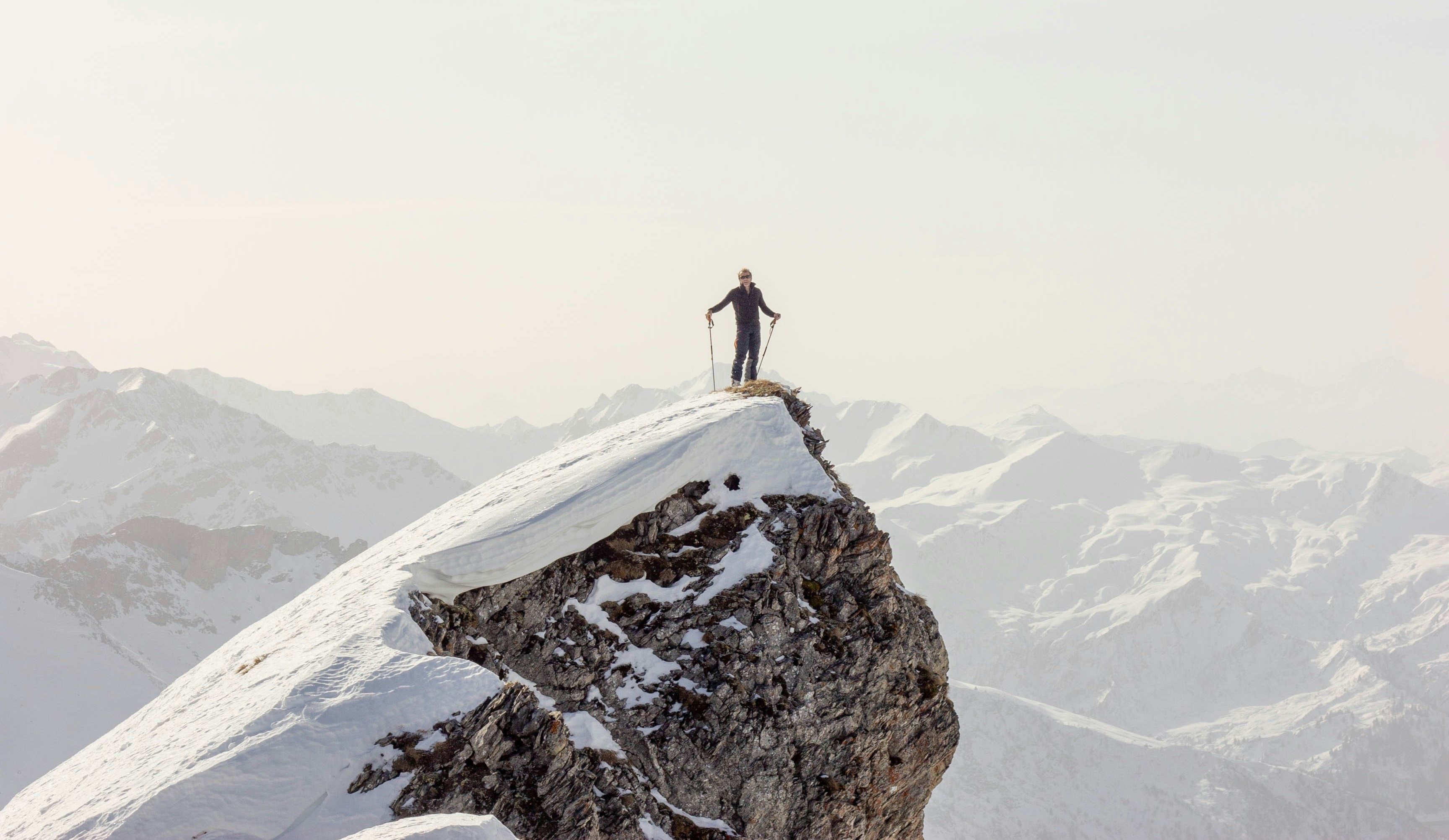
Ski touring and ski mountaineering provide access to a much wider range of terrain beyond the marked ski areas. The valley also offers Nordic skiing, snowshoeing, winter walking and ice climbing.
Conditions can change quickly in the mountains. Check current weather, avalanche information, lift operations and mountain conditions before setting out.